
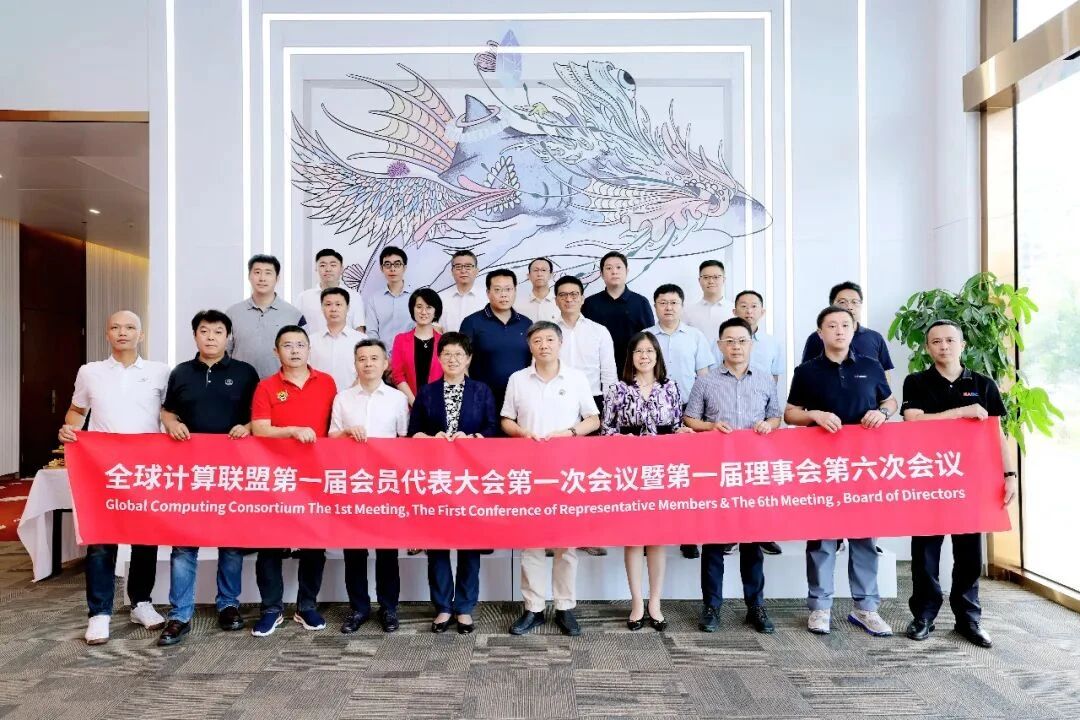
On July 22, 2025, the 1st General Assembly of Representative Members of the Global Computing Consortium (GCC) was grandly convened in Chengdu, China. As a major milestone for the global computing industry, this General Assembly formally established GCC’s governance structure, elected members of its inaugural Board of Directors, and formulated the consortium’s future-development strategy. NETONX has been successfully appointed as one of the inaugural member-representative entities.
A specialized R&D and manufacturer of quick-disconnect liquid cooling couplings, NETONX has long focused on innovation for liquid cooling quick couplings deployed in data centers, AI intelligent computing, supercomputing centers and new-energy sectors. Its self-developed high-reliability liquid cooling couplings have been widely adopted in numerous hyperscale data centers and high-performance computing scenarios worldwide, helping customers achieve efficient heat dissipation and energy-saving & consumption-reduction targets
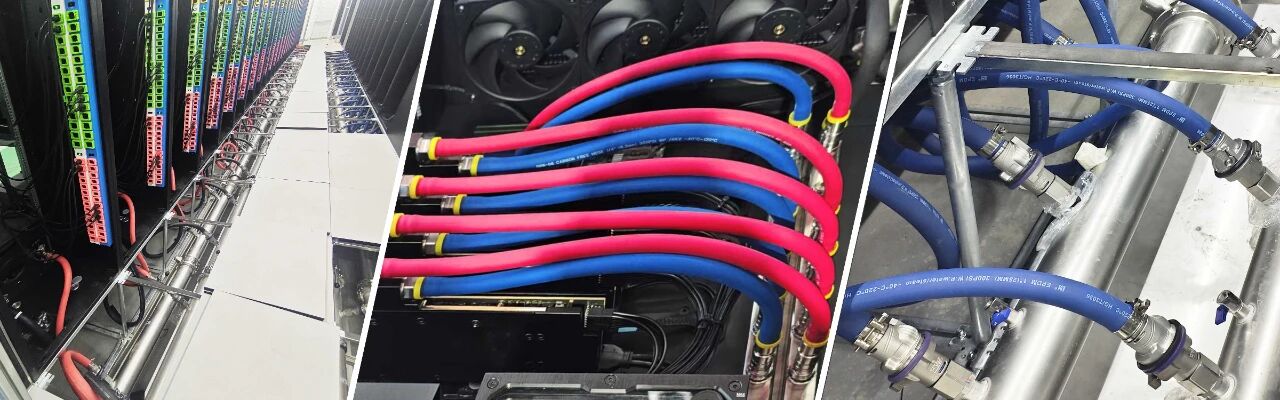
Partnering with GCC to Advance Green Development of the Global Computing IndustryGoing forward, GCC will center on three core priorities
reaching consensus on new architectures, developing new standards, and fostering new-ecosystem growth. It will collaborate with members and industry partners to drive open innovation across the computing industry, build a robust and prosperous ecosystem, and underpin the sustainable development of a digital-intelligent society. NETONX’s membership brings the following key values to the consortium:
Standard-Setting: Participate in formulating global technical standards for liquid cooling, advance standardized industrial development, and boost the competitiveness of Chinese enterprises in international markets.
Ecosystem Collaboration: Deepen cooperation with world-leading enterprises to jointly explore next-generation thermal dissipation technologies for computing infrastructure, and address energy-consumption challenges brought by high-density computing.